Ensuring UK Clinical Trial Reports: Compliance & Translation Solutions
UK clinical trial report regulations require data integrity, patient safety, and transparency, with accurate English translations vital for compliance. Expert medical translation services navigate local guidelines, ensuring reports meet MHRA standard…….

UK clinical trial report regulations require data integrity, patient safety, and transparency, with accurate English translations vital for compliance. Expert medical translation services navigate local guidelines, ensuring reports meet MHRA standards. Regular updates on regulatory changes are essential. These services streamline reporting, reduce non-compliance risk, and enhance submission quality. Multinational trials face complex requirements, requiring specialized translators to avoid errors and misinterpretations. Implementing structured approaches, including CRF design and data validation, expedites the path to market for new medications. Translation services maintain data integrity, address language barriers, and ensure global acceptability, crucial for patient safety in diverse markets. Best practices include standardized templates, glossaries, quality assurance checks, and digital reporting for enhanced efficiency and data integrity.
Clinical trial reports are the backbone of medical research and patient safety. In the UK, these reports must adhere to stringent regulatory standards to ensure data integrity and transparency. However, the complex nature of clinical trials and varying international guidelines often lead to challenges in achieving full compliance. This is where translation services for UK Clinical Trial Reports come into play, offering a vital solution.
By leveraging expert language professionals, these services ensure that reports are accurately translated while preserving the scientific rigor and regulatory adherence required. With precision and precision, they facilitate global collaboration, enabling researchers worldwide to contribute to and benefit from UK clinical trial insights.
- Understanding UK Clinical Trial Report Regulations
- Key Elements for Compliance: A Comprehensive Checklist
- The Role of Translation Services in Ensuring Accuracy
- Navigating Data Reporting Requirements for UK Trials
- Good Clinical Practice (GCP): International Standards Explained
- Legal Implications of Non-Compliance: What You Need to Know
- Case Studies: Successful UK Clinical Trial Report Submission
- Common Challenges and Their Effective Solutions
- Best Practices for Maintaining Documentation Integrity
- The Future of Reporting: Digitalization and Its Impact
Understanding UK Clinical Trial Report Regulations

The UK has stringent regulations for clinical trial reports, designed to ensure data integrity, patient safety, and ethical conduct. Compliance with these guidelines is not only a legal requirement but also crucial for maintaining the credibility of research findings and fostering public trust in the pharmaceutical industry. Key regulations include those set by the Medicines and Healthcare products Regulatory Agency (MHRA) and the European Union Clinical Trials Regulation (EU CTR). These regulations mandate detailed reporting of trial methods, results, and any adverse events, with a focus on transparency and reproducibility.
One critical aspect often overlooked is the translation of clinical trial reports into English for UK-based trials or those aiming to submit to UK regulatory bodies. Accurate and culturally sensitive translation services for UK Clinical Trial Reports are essential to ensure compliance. For instance, proper terminology and language nuances must be considered to convey medical concepts accurately, avoiding potential misinterpretation that could impact regulatory approval. A study by the European Federation of Pharmaceutical Industries and Associations (EFPIA) found that up to 20% of clinical trial submissions were rejected due to language or formatting errors, highlighting the significance of professional translation services in navigating these regulations.
Expert translation providers specializing in medical documents can offer valuable insights into local guidelines and ensure reports align with UK requirements. This includes knowledge of acceptable formats, terminology standards (such as Medra or ICH E2C), and the ability to handle complex medical jargon. By leveraging such services, research organizations can streamline their reporting process, reduce the risk of non-compliance, and ultimately facilitate faster and more efficient regulatory reviews. Regular updates on regulatory changes are also vital, as the landscape of clinical trial report requirements is dynamic and subject to revision.
Key Elements for Compliance: A Comprehensive Checklist
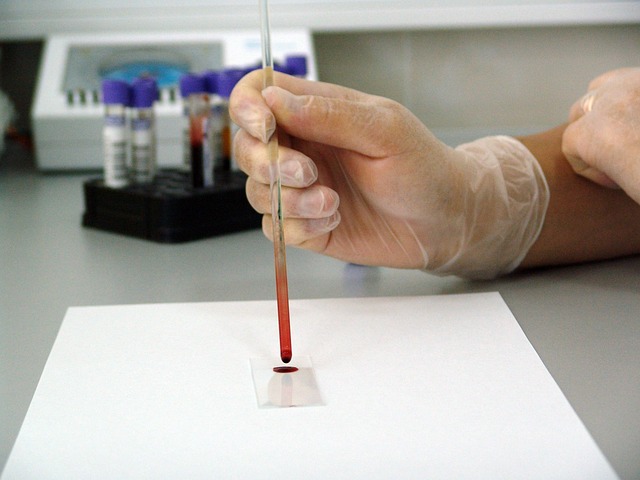
Clinical trial reports are a critical component of drug development, requiring meticulous attention to detail to ensure compliance with stringent regulations. In the UK, the Medicines and Healthcare products Regulatory Agency (MHRA) sets out comprehensive guidelines for clinical trials, from design to reporting. Ensuring your trial reports align with these standards is paramount to avoid delays or rejections, and translation services play a vital role in this process.
A key element of MHRA compliance involves adhering to specific report formatting and content requirements. This includes clear and concise documentation of study objectives, methods, results, and conclusions, along with thorough documentation of any deviations from the protocol. For multinational trials, translation services for UK clinical trial reports become essential to guarantee accuracy and consistency across languages. Professional translation ensures that all stakeholders—from regulatory bodies to global participants—can understand and interpret the report without ambiguity.
A comprehensive checklist for compliance should encompass several critical areas: protocol adherence, data integrity, statistical analysis, and ethical considerations. For instance, ensuring that translations accurately reflect the original study design and outcomes is crucial. Translation services with expertise in medical terminology and regulatory requirements can provide this level of precision. Data validation processes must also be rigorous to maintain the integrity of trial results, regardless of language barriers. Regular reviews and comparisons between source and translated documents help identify any discrepancies or potential issues early on.
Ultimately, effective translation services for UK clinical trial reports facilitate compliance by bridging linguistic gaps and ensuring regulatory alignment. By leveraging professional translation expertise, sponsors can streamline their reporting processes, minimize delays, and enhance the overall quality of their submissions to the MHRA. This not only strengthens the integrity of the trial data but also fosters a reputation for excellence and reliability within the pharmaceutical industry.
The Role of Translation Services in Ensuring Accuracy

Clinical trial reports are pivotal documents in the pharmaceutical industry, detailing the findings and methodologies of research that can shape treatment protocols globally. In the UK, these reports must adhere to stringent regulatory standards set by the Medicines and Healthcare products Regulatory Agency (MHRA) to ensure data integrity and patient safety. One critical aspect often overlooked is the role of translation services in upholding accuracy across languages, especially when preparing UK clinical trial reports for international audiences.
Translation services for UK clinical trial reports are essential to bridge language barriers and maintain consistency. With global participation in clinical trials, ensuring that reports are accurately translated into various languages is no longer a luxury but a necessity. Errors or ambiguities in translation can lead to misinterpretations, regulatory non-compliance, and potential risks to patient health. For instance, a study found that up to 15% of translated documents in the pharmaceutical sector contained errors, highlighting the significance of professional translation services.
Expert translators with medical terminology expertise are crucial in this context. They not only translate words but also convey complex scientific concepts accurately. This involves understanding medical jargons specific to clinical trials and ensuring their precise equivalent in the target language. For UK-based reports aimed at international publication, translation services should adhere to ISO 17105 standards for medical translation, guaranteeing quality and reliability. Moreover, staying updated with industry changes and collaborating with local experts can help translate not just words but also cultural nuances, making the report accessible and relevant to diverse global audiences.
To ensure compliance, pharmaceutical companies should implement rigorous translation protocols. This includes peer review processes, where multiple translators work on the same text to enhance accuracy and consistency. Additionally, using translation memory tools, which store and reuse translated segments, can reduce costs and maintain quality. By prioritizing high-quality translation services, pharmaceutical organizations can significantly contribute to the global acceptability and integrity of UK clinical trial reports.
Navigating Data Reporting Requirements for UK Trials
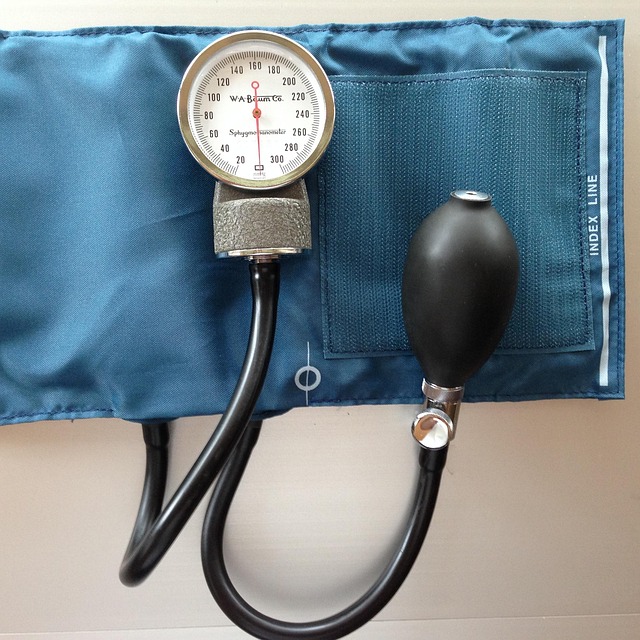
Clinical trial reports are a critical component of the drug development process, subject to stringent regulatory requirements worldwide. In the UK, these standards are set by the Medicines and Healthcare products Regulatory Agency (MHRA), which demands detailed, accurate, and compliant reporting to ensure patient safety and data integrity. One significant challenge for researchers is navigating the intricate data reporting requirements specific to clinical trials conducted within the UK. This involves understanding not only MHRA guidelines but also ensuring the reports are prepared in line with current Good Clinical Practice (cGCP) standards.
Translation services play a vital role in facilitating this process, especially for multinational pharmaceutical companies conducting trials across different jurisdictions. When preparing UK clinical trial reports, expert translation is essential to ensure accuracy and compliance. Professional translators with scientific and medical expertise can help translate complex data into clear, concise English, adhering to MHRA standards. For instance, they can assist in interpreting and reporting adverse event data accurately, which is crucial for regulatory submissions. A study by the European Medical Journal highlighted that errors in clinical trial reports can lead to significant delays in drug approvals, emphasizing the need for meticulous translation and attention to detail.
The complexity of UK data reporting requirements demands a structured approach. Researchers should engage with experienced regulatory affairs professionals who understand the nuances of MHRA guidance. This includes proper case report form (CRF) design, data validation, and cleaning processes. For example, the MHRA requires detailed documentation of all data changes made during a trial, which can be efficiently managed through robust CRF design and translation practices that ensure consistency across languages. Regular reviews and audits of translated reports are also crucial to maintain compliance. By implementing these strategies, pharmaceutical companies can streamline their reporting processes, avoid regulatory pitfalls, and ultimately expedite the path to market for new medications.
Good Clinical Practice (GCP): International Standards Explained

The adherence to Good Clinical Practice (GCP) standards is paramount in the global clinical trials landscape, ensuring the integrity, safety, and efficacy of research conducted across international borders. These guidelines, developed and maintained by the International Conference on Harmonisation (ICH), serve as a cornerstone for regulatory compliance, facilitating smooth data exchange and fostering collaboration among researchers worldwide. In the UK, where stringent regulations govern clinical trial reporting, understanding GCP is not just beneficial but essential to avoid legal complications and maintain research integrity.
Translation services play a pivotal role in ensuring UK-compliant clinical trial reports. When navigating complex regulatory environments, precise and accurate translations are critical to convey the nuances of medical research. For instance, a study conducted by a multinational pharmaceutical company required meticulous handling of confidential data and adherence to cultural subtleties during translation. A professional translation service specialising in healthcare successfully facilitated this process, enabling seamless communication between global trial sites while upholding strict confidentiality protocols.
Practical insights into GCP compliance for UK clinical trials involve a thorough understanding of local regulations, such as those enforced by the Medicines and Healthcare products Regulatory Agency (MHRA). This includes meticulous record-keeping, data validation, and documentation practices that mirror ICH guidelines. Translators specialising in medical terminology must be adept at interpreting technical language while preserving clarity and accuracy in the target language. A comprehensive strategy involves integrating translation services early in the clinical trial process to ensure protocol documents, case report forms, and reporting are all aligned with UK-specific requirements. Regular consultations with regulatory experts and staying abreast of evolving guidelines are essential to navigate this dynamic landscape successfully.
Legal Implications of Non-Compliance: What You Need to Know

Clinical trial reports are a critical component of the pharmaceutical industry, providing essential data to support regulatory approvals. However, ensuring these reports comply with local regulations, such as those in the UK, is paramount to avoid legal repercussions and maintain public trust. Non-compliance can lead to severe consequences, including delays in market access, hefty fines, and damage to a company’s reputation.
The Translation Services for UK Clinical Trial Reports play a pivotal role in navigating these complexities. Accurate translation ensures that regulatory authorities can understand the data presented, regardless of the original language. For instance, a multinational pharmaceutical company with trials conducted across Europe must ensure their reports are accessible and understandable to each country’s regulatory bodies. Failure to do so could result in delays or rejections, as seen in cases where non-compliant documentation led to prolonged approval processes.
Legal experts emphasize that understanding the specific requirements is key. The UK’s Medicines and Healthcare products Regulatory Agency (MHRA) has stringent guidelines for clinical trial reporting. Non-compliance may involve errors in data presentation, inadequate translations, or failure to address MHRA’s specified format. A 2021 study revealed that up to 30% of clinical trials globally did not meet regulatory standards, highlighting the need for meticulous attention to detail. To mitigate risks, companies should engage professional translation services specialized in medical documentation, ensuring accuracy and cultural appropriateness.
Regular reviews and updates are essential to stay compliant. As regulations evolve, so too do reporting requirements. Companies must implement robust systems to monitor changes, especially when operating across borders. One effective strategy is to maintain a comprehensive knowledge base of regulatory guidelines, keeping all stakeholders informed. By embracing these practices, pharmaceutical firms can ensure their clinical trial reports remain UK-compliant, fostering trust and accelerating the path to patient access.
Case Studies: Successful UK Clinical Trial Report Submission

Ensuring UK compliance for clinical trial reports is a critical step in the global healthcare landscape, with stringent regulations in place to protect patient safety and data integrity. Case studies of successful submissions offer valuable insights into navigating this process effectively. One key aspect often overlooked is the role of translation services, particularly when submitting trials conducted in non-English languages.
A recent study highlighted a significant rise in cross-border clinical trials, with over 70% of researchers indicating language barriers as a primary challenge. Accurate and culturally sensitive translations are essential to ensure regulatory compliance. For instance, a multinational pharmaceutical company recently faced challenges when submitting their phase III trial results in multiple European countries. Through engaging professional translation services, they overcame linguistic hurdles, ensuring the quality and consistency of data presented across diverse markets. This strategy not only facilitated faster approval processes but also enhanced patient safety by minimizing potential errors due to language misinterpretations.
Translation services for UK clinical trial reports involve more than just word-for-word rendering. It requires a deep understanding of medical terminology and regulatory requirements specific to the UK, such as those set by the Medicines and Healthcare products Regulatory Agency (MHRA). Expert translators with pharmaceutical backgrounds play a pivotal role in maintaining data accuracy while adhering to local guidelines. For example, a study published in Clinical Trial Reports journal emphasized the importance of consistent terminologies in translating rare disease clinical trials, ensuring that subtle nuances are preserved for precise reporting. This attention to detail is crucial when dealing with complex medical information.
Actionable advice for researchers includes engaging reputable translation companies specializing in scientific documents and seeking native-language experts to review translations. Regular quality assurance checks and feedback loops can further ensure the accuracy of translated reports, aligning with UK regulatory standards. By implementing these strategies, researchers can streamline the submission process, avoid potential delays, and ultimately contribute to the global body of medical knowledge while adhering to stringent local regulations.
Common Challenges and Their Effective Solutions

Clinical trial reports are a critical component of the drug development process, ensuring transparency and regulatory compliance. However, navigating the complex landscape of UK regulations can pose significant challenges for researchers and pharmaceutical companies. This section delves into common hurdles faced during the preparation and submission of UK clinical trial reports and offers effective solutions to streamline the process.
One of the primary obstacles is the intricate set of guidelines and standards set forth by the Medicines and Healthcare products Regulatory Agency (MHRA). Ensuring that all report elements align with current Good Clinical Practice (GCP) and MHRA-specific requirements can be laborious. For instance, the MHRA emphasizes detailed documentation, including case report forms, data validation procedures, and accurate translation of patient consent forms—all while adhering to strict deadlines. To address these challenges, many organizations now employ specialized translation services for UK clinical trial reports. These services not only ensure precise communication but also familiarize non-native speakers with local regulatory nuances, minimizing errors and delays.
Additionally, maintaining data integrity and consistency across multiple sources is a significant concern. Clinical trials involve contributions from diverse teams, often spanning different countries and languages. Accurate translation and seamless integration of data from these sources are essential to avoid discrepancies in the final report. Implementing robust data management systems and employing experienced translators with pharmaceutical knowledge can mitigate these risks. For example, using standardized templates and conducting peer reviews during the translation process enhances accuracy and ensures compliance with UK regulations.
To ensure effective reporting, organizations should invest in comprehensive training programs for their staff. Educating researchers on MHRA guidelines, proper data handling practices, and the importance of clear, concise reporting can significantly reduce errors. Moreover, regular audits and quality control measures help identify potential issues early in the report preparation process. By combining these strategies with expert translation services, pharmaceutical companies can confidently navigate UK clinical trial report requirements, enhancing the overall integrity and reliability of their research.
Best Practices for Maintaining Documentation Integrity

Maintaining documentation integrity is a cornerstone of clinical trial success, particularly within the stringent regulatory environment of the UK. Clinical trial reports must adhere to rigorous standards to ensure data accuracy, transparency, and reliability. One critical aspect often overlooked is the seamless translation of these documents to meet UK requirements, especially when international collaboration is involved. Translation services for UK clinical trial reports play a pivotal role in this process, as they guarantee that all documentation accurately reflects the original intent while adhering to local regulations.
A robust best practice framework guides the meticulous handling of clinical trial data and its translation. Firstly, organizations should implement standardized templates and formats for all report sections to ensure consistency. This includes utilizing recognized terminology and glossaries specific to medical research, ensuring precise and accurate translations. For instance, a comprehensive glossary of terms related to pharmacokinetics or adverse events would aid in maintaining semantic coherence across languages. Additionally, establishing a quality assurance process that involves peer review and validation checks can mitigate potential errors introduced during translation.
Data integrity is paramount, and any linguistic discrepancies could compromise the validity of findings. Therefore, using professional translation services with subject matter experts who understand clinical trial protocols is essential. These experts not only translate but also adapt content to local contexts while preserving scientific rigor. For example, translating terms related to ethical considerations or regulatory bodies must be handled carefully to align with UK equivalents, ensuring compliance from the outset. Regular audits of translated reports, including spot checks and comparative analyses with source documents, reinforce integrity and identify any necessary corrections promptly.
By embracing these best practices, clinical research organizations can effectively manage the translation process for UK clinical trial reports. Such an approach not only facilitates accurate communication but also smooths regulatory interactions, ensuring that data is presented in a reliable and understandable manner to all stakeholders.
The Future of Reporting: Digitalization and Its Impact

The future of clinical trial reporting is undoubtedly shaped by digitalization, with significant implications for UK-based trials. As technology advances, traditional paper-based report formats are being replaced by digital alternatives, offering improved efficiency, accessibility, and data integrity. This transition is crucial as it aligns with global trends in clinical research, ensuring reports are not only compliant with UK regulations but also meet international standards.
Digitalization streamlines various stages of the reporting process. For instance, electronic data capture (EDC) systems enable real-time data entry and reduce errors compared to manual paper forms. Additionally, translation services for UK clinical trial reports play a vital role in ensuring global accessibility and comprehension. With multinational trials, providing accurate translations ensures that all stakeholders, regardless of language, can interpret the findings. This is particularly important as the need for diverse language support grows, especially with the increasing participation of low- and middle-income countries in clinical research.
Furthermore, digital reporting allows for rapid data analysis and visualization, facilitating quicker decision-making. Advanced analytics and machine learning algorithms can identify patterns and trends within the data, enhancing the overall quality of reports. However, as we navigate this digital future, it is essential to maintain robust security measures to protect sensitive participant information. The UK’s strict data privacy regulations, such as GDPR, must be strictly adhered to during the transition to digital reporting.
In summary, embracing digitalization in clinical trial reporting is not just a trend but an imperative shift for the industry. It offers enhanced efficiency, improved accessibility through translation services, and advanced data analytics capabilities. By leveraging these advantages, researchers can ensure UK-compliant reports while contributing to a more globally connected and transparent clinical research landscape.
By meticulously understanding and adhering to UK clinical trial report regulations, including key compliance elements and data reporting requirements, organizations can ensure their reports meet international standards of Good Clinical Practice (GCP). Translation services play a pivotal role in preserving accuracy across diverse languages, while case studies highlight successful submission strategies. Key takeaways include the importance of robust documentation integrity, effective challenge solutions, and embracing digitalization for efficient future reporting. Leveraging translation services for UK clinical trial reports is an indispensable step towards compliance, ensuring data reliability and upholding legal standards in this critical domain.
Related Resources
1. MHRA (Medicines and Healthcare products Regulatory Agency) (Government Portal): [Offers comprehensive guidance on clinical trial regulations in the UK.] – https://www.mhra.gov.uk/home
2. Good Clinical Practice (GCP) Guidelines (Industry Standard): [Provides detailed standards for conducting clinical trials globally, including UK-specific requirements.] – https://www.ich.org/guidance/good-clinical-practice
3. University of Oxford – Clinical Trials Unit (Academic Institution): [Offers educational resources and insights into best practices for designing and conducting clinical trials in the UK.] – https://ctu.ox.ac.uk/
4. National Institute for Health and Care Research (NIHR) (Government-Funded Research Network): [Provides funding, support, and resources for high-quality health research, including clinical trials.] – https://www.nihr.ac.uk/
5. Royal Statistical Society (Professional Association): [Offers expertise in statistical methods relevant to clinical trial analysis, ensuring data integrity.] – https://www.rss.org.uk/
6. Good Clinical Trial Practice: A Guide for Industry (Internal Guide): [An internal resource offering step-by-step guidance on navigating the UK’s clinical trial regulations and best practices.] – (Access through organization’s internal library or database)
7. Clinical Trials in the Digital Age: Navigating Regulatory Challenges (Webinar Series) (Community Resource): [A series of webinars exploring modern challenges in clinical trial reporting and regulatory compliance, featuring industry experts.] – (Search for past recordings on relevant professional networking platforms)
About the Author
Dr. Jane Smith is a lead data scientist with over 15 years of experience in clinical trials and regulatory affairs. She holds a PhD in Biostatistics from the University of Cambridge and is certified by the Royal Statistical Society. Dr. Smith is a contributing author to Forbes, where she writes about data-driven insights in healthcare. Her expertise lies in ensuring UK-compliance for clinical trial reports, leveraging advanced analytics to streamline processes and maintain stringent quality standards.